
A Reassuring Guide to Care Home Rooms
When families begin searching for residential and nursing care in Malpas, one of the most common and most understandable questions is a very personal one; what will my room look like?
It is often one of the first things people worry about. Moving into a care home is a major life change, and the thought of leaving a familiar home can feel emotional for both the person moving in and the people who love them. The bedroom matters because it is not simply where someone sleeps. It is their private space, their retreat, and a place where they should feel calm, comfortable and secure.

The bedroom matters because it is not simply where someone sleeps. It is their private space, their retreat, and a place where they should feel calm, comfortable and secure.
For anyone exploring care options, it can help to know that a good care home room is not designed to feel cold or clinical. It should feel welcoming, practical and easy to settle into. It should also allow space for the things that make life feel familiar.
This guide explains what a care or nursing home room may be like, what to bring to a care home, how to make the process of settling in easier, and what to consider when looking at companion rooms for couples.
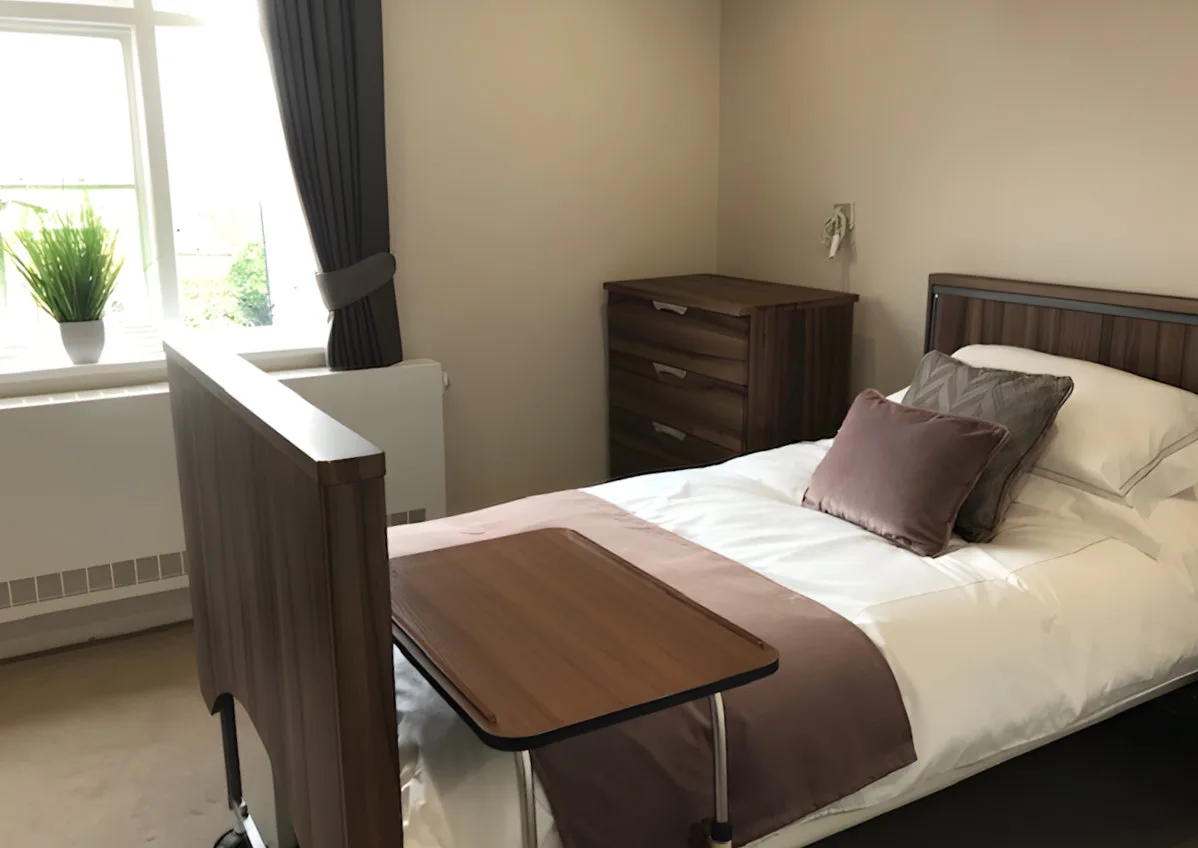
A care home room should feel comfortable and homely. Many people imagine a care home bedroom might feel impersonal, but the reality is often very different. In a quality residential care home setting, like at Prospect House, rooms are designed to balance comfort with practicality and nursing needs. They should be warm, pleasant and thoughtfully arranged, helping residents feel safe while also giving them privacy and independence.
A care home room will usually include the essentials needed for day-to-day living, such as a bed, wardrobe, drawers, bedside furniture and comfortable seating. The room should feel light, tidy and easy to move around in. Good design makes a real difference. Space should be calm and uncluttered, with furnishings that are supportive without looking overly medical.
For many residents, their bedroom becomes one of the most important parts of daily life. It is where they relax, enjoy some quiet time, read, watch television, speak to family on the phone, or simply take comfort in familiar belongings. That is why the room itself matters so much when choosing residential care.
Personal touches help turn a room into home. One of the biggest reassurances for families is knowing that a care home room does not have to stay exactly as it is when someone first walks in. In fact, one of the most helpful parts of moving in is being able to personalise the space.
A room can quickly feel far more comforting when it includes treasured items from home. Family photos, framed pictures, a favourite blanket, a special cushion, ornaments, books, small lamps, keepsakes or a much-loved chair can all make a real difference. These are not just decorative extras. They can be deeply reassuring, helping the person moving in feel more connected to their identity, memories and routines.
Something as simple as seeing familiar photographs by the bedside or having a favourite throw across the chair can help the room feel less new and more recognisable. These details matter because they can support emotional wellbeing during a time of change.
Families often ask about what to bring to a care home, and the answer is usually a mix of practical items and personal comforts.
Clothing is, of course, one of the first things to think about. Comfortable daywear, nightwear, underwear, slippers and appropriate shoes are all important. It helps if clothing reflects the resident’s usual style and preferences, rather than feeling completely different from what they would normally wear. Familiarity is comforting. Soft jumpers, favourite cardigans and well-loved clothes often help people feel more like themselves.
Toiletries are another key part of helping someone feel settled. Everyday items such as a hairbrush, toothbrush, moisturiser, shaving kit, perfume or aftershave, and preferred bath products can all make daily routines feel more familiar.
Then there are the personal belongings that bring warmth and meaning to the room. This might include family photographs, a radio, books, a puzzle book, a blanket from home, a clock, a calendar, or small ornaments. Some people like to bring their own television and furniture, depending on the room and the home’s arrangements. Others may prefer a simpler environment with just a few meaningful pieces.
It is always worth speaking to the care team beforehand so you understand what is already provided and what can be brought in. Every home is slightly different, but having these conversations early can make moving day feel much less stressful.
No matter how lovely the room is, settling in to residential and nursing care is a process rather than a single moment. Some people adjust quickly and enjoy the reassurance of support around them. Others need a little longer to feel comfortable in new surroundings. Both responses are completely normal.
The early days are often about finding a rhythm. Getting to know the team, learning the daily routine, recognising the surroundings and spending time in the room with familiar belongings all help. Family visits also play an important role. Seeing loved ones in the new room can help reinforce that this is still a personal space, filled with care and connection.
It is important not to expect too much too soon. A resident may need time to decide where they want things placed, which items they want close by, and how they prefer their room arranged. Some may enjoy having their door open so they can feel part of the life of the home, while others may appreciate more quiet time in their own space.
Good care homes understand this and will support people gently and patiently. The aim is not simply to help someone move in, but to help them feel at home.
Another important question for some families is whether there are companion rooms for couples. For couples who have shared a home, a routine and a life together for many years, the thought of being separated can be especially difficult. That is why companion rooms can be such a comfort.
A companion room allows couples to continue living together while receiving the support they need. This can be hugely reassuring emotionally, helping preserve the companionship, familiarity and closeness that are such an important part of everyday life.
For some couples, moving into residential care together can remove a great deal of anxiety. They can continue sharing the small routines that matter so much, whether that means having breakfast together, chatting in the evening, or simply knowing the other person is close by. Even when care needs differ, being together can make the transition feel far less daunting.
If you are specifically looking for nursing and residential care in Malpas and want to explore companion rooms for couples, it is worth asking early in the process what options are available. Not every care home offers the same room arrangements, so it is helpful to find out whether there is flexibility for couples and what that setting may look like.
When people search for care, they often begin with practical questions around location, availability and support needs. All of those things are important. But it is equally important to think about how the room feels.
Does it feel welcoming? Can it be personalised? Is there enough space for cherished belongings? Will the person living there feel comfortable, secure and respected? These are the questions that often shape peace of mind.
For anyone exploring residential care, and the opportunity of living at Prospect House Care and Nursing Home, the room is about much more than furniture. It is about dignity, comfort and everyday reassurance. It is about creating a space that feels safe and familiar during a significant life change.
A good care home room should support rest, privacy and independence while still feeling warm and personal. With the right belongings, thoughtful support and time to adjust, it can become somewhere that truly feels like home.