
Looking for a residential care home in Cheshire can feel like stepping into unfamiliar territory; especially if you’re making decisions on behalf of someone you love.
Families often tell us they want the same thing, reassurance that their loved one will be safe, comfortable, and treated with dignity. This guide explains what residential care is, who it’s for, what day-to-day life can look like, and how to make the move into a care home feel calmer and more confident while still living a life that feels normal.

- Help with personal care (washing, dressing, continence support)
- Support with meals, hydration and daily routines
- Mobility support and reassurance to reduce falls risk
- Medication support (according to individual needs and assessment)
- Companionship, activities and emotional wellbeing support
If you’re searching for residential care in Malpas, you may be supporting a loved one who is becoming more frail, less steady, struggling with self-care, or feeling isolated. If this sounds familiar, residential care might be the right move.
Who is residential care for?
Residential care often suits people who:
- Are finding daily tasks more tiring or risky
- Need support with personal care and routines
- Feel anxious alone at home, especially at night
- Are losing confidence with cooking, eating regularly, or keeping warm
- Have had a fall (or near falls) and are worried it could happen again
- Would benefit from company, structure and gentle encouragement
Sometimes families worry they’re “moving too soon.” But residential care can actually be a preventative step in reducing risk and stress before a crisis forces rushed decisions.
“What will my day actually look like?”
The reality is that good residential care should feel steady, personal and flexible.
Daily life usually includes a comfortable routine. People often thrive with predictable rhythms, getting up at a preferred time, enjoying breakfast, having time to read the paper, chat, or relax.
Nutritious meals and hydration should be supported throughout the day, with choice and preferences taken seriously. For families, it’s often a relief to know eating well is no longer a daily battle.
A good care home offers opportunities to socialise, take part in activities, enjoy hobbies, and feel part of a community while also respecting the need for quiet time.
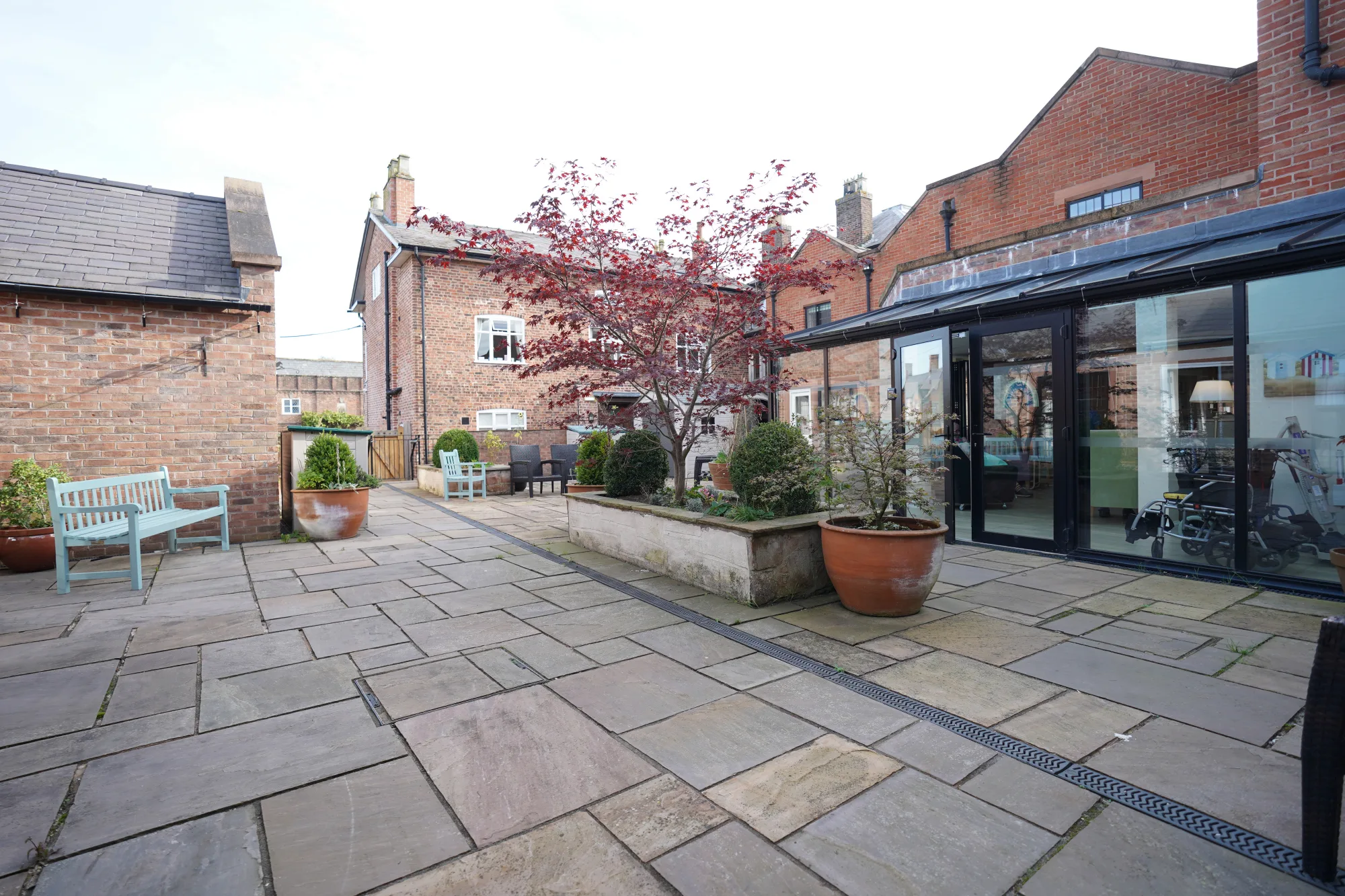
At Prospect House in Malpas, residential care is about helping residents feel settled and supported, while still enjoying the simple pleasures that make each day meaningful.
Can residential care adapt if needs change?
This is one of the most important questions to ask any residential care home because not all care homes offer the same services.
At Prospect House, families value the reassurance that the home offers a range of care types, meaning support can often adapt as needs evolve. This can help residents remain in familiar surroundings if their condition changes, rather than facing another move at a difficult time. A helpful tour question is: “If needs increase in future, can care be stepped up here?”
What to ask when choosing a residential care home in Cheshire
When viewing a residential care home consider asking:
- How are care plans created and reviewed?
- What does a typical day look like here?
- How are residents supported to stay independent?
- How are families kept updated?
- What’s included in the weekly fee?
- How do you support someone to settle in?
- Can care adapt if needs change over time?
Next step
talk it through or book a visit
If you’re exploring residential care in Malpas and want a calm, no-pressure conversation, our team at Prospect House Care Home is happy to help. A quick chat can clarify what support is needed and whether residential care is the right fit right now.
Book a visit to see the home, ask questions, and get a feel for daily life, because confidence often comes from simply walking through the door.